
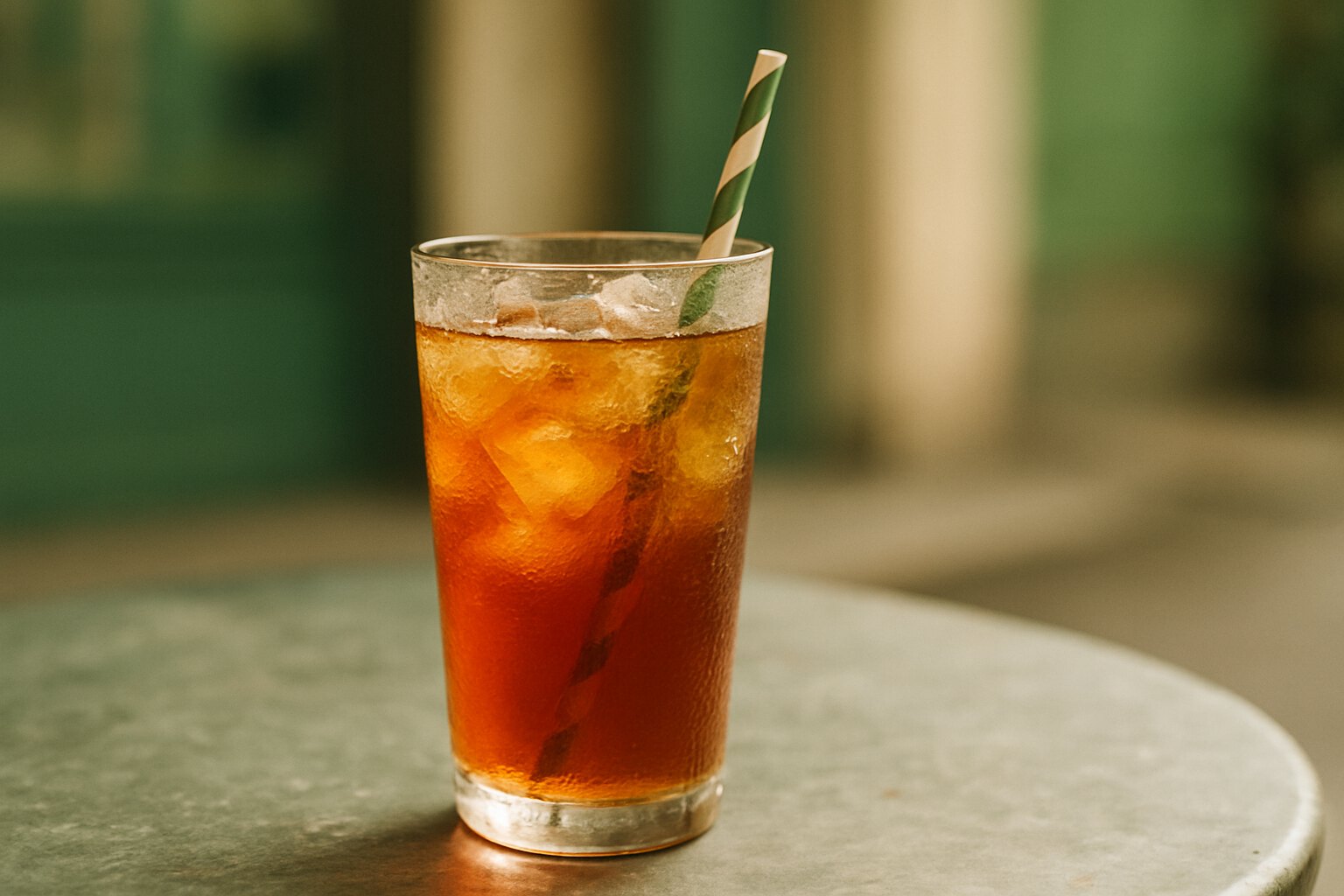
Are paper straws actually better than plastic ones?
A café switches to paper straws and customers praise it for caring. Then the straw goes soft halfway down the glass and the customer is annoyed. Then somebody says paper straws are not actually any better. Everyone has part of a point.
The honest answer is “it depends” — and where it depends is more interesting than the answer.
Where paper wins
- It breaks down in the environment. The biggest and most real advantage. A paper straw that ends up in a canal disintegrates within months; a plastic one persists for a very long time and fragments into microplastics.
- It does not become microplastic. Plastic does not disappear, it breaks smaller. This is the main reason plastic straws were targeted first, even though they are a small share of plastic waste overall.
- Renewable material. Paper comes from grown timber, plastic from oil.
Where plastic wins
Less often said, but the picture is incomplete without it:
- Lighter to make. A plastic straw is very light and takes little energy. Paper needs timber, water and energy to pulp and dry — per straw, paper usually costs more to produce.
- It lasts the drink. A paper straw softens after about fifteen minutes, especially with ice. A bubble tea drunk slowly can need two straws — and two paper straws are no longer better than one plastic one.
- The waterproof lining. Many paper straws carry a thin coating so they do not collapse immediately. That coating makes both composting and recycling more complicated than plain paper.
So which is better
Honestly: paper is better on waste escaping into the environment, and unclear on manufacturing energy. Where collection systems are weak and rubbish readily reaches rivers and the sea, paper's advantage is clearly worth having.
But both are single-use items. And that is where the question was wrong from the start.
The third option that wins
Using no straw at all.
Most drinks can be drunk straight from the glass: coffee, tea, juice. Nothing to manufacture, nothing to replace, nothing thrown away. It is the only option that beats both of the others on every measure.
Three cases where a straw is genuinely needed:
- Drinks with pearls or toppings — without a wide straw they cannot be drunk.
- People with difficulty in movement or swallowing. For this group a flexible plastic straw is a genuine assistive device, not a convenience. Straw bans in many places carry an exemption for exactly this, and it is the right exemption.
- Drinking on the move, from a lidded cup.
What about metal and bamboo straws?
The same logic as the tote bag: they owe more at manufacture and only repay it through many uses. A set of metal straws bought and left in a drawer is worse than a handful of paper ones.
Two practical things that make people give up:
- Cleaning. Without a narrow brush they cannot really be cleaned, particularly after bubble tea. Poorly cleaned, they get abandoned after a few uses.
- Carrying them. Left at home, they are never used. They have to live in the bag with the water bottle.
Bamboo adds one more: it takes on smells and grows mould if not dried properly after washing.
What to do at a counter
- Drinking in? Ask to drink from the glass and take no straw. The simplest thing in this whole article.
- Ordering something with pearls? Take the straw without guilt — that is a genuine case.
- Taking it away? Bring your own cup, which avoids the plastic cup and the lid as well — the lid is more plastic than the straw.
Banh Mi XANH has paper straws for customers drinking in, and declining a straw is perfectly normal. Black Coffee at 35,000d, Nut Milk Coffee at 45,000d and Jasmine Lemon Tea at 36,000d can all be drunk straight from the glass. Nut Milk Bubble Tea at 45,000d and the Brown Sugar version at 48,000d need a straw, because of the pearls.
The five shops are open 24 hours: 38 Lê Thị Riêng, 15B Nguyễn Thị Minh Khai, 2B Trần Hưng Đạo and 148B Đề Thám in District 1, and 210 Bùi Văn Ba in District 7. Call 0923.183.183; orders from 500,000d within 5km are delivered free.
Quick questions
Are paper straws really better than plastic?
Better on waste escaping into the environment — paper disintegrates in months, plastic persists and fragments into microplastics. But per straw, paper usually costs more energy to manufacture.
Why do paper straws go soft?
Because they are paper and they absorb liquid. Many carry a thin waterproof coating to slow it, but that coating makes composting and recycling more complicated.
What is the best option?
No straw at all. Most drinks can be drunk from the glass — nothing manufactured, nothing thrown away. It is the only option that wins on every measure.
Does anyone genuinely need a plastic straw?
Yes. For people with difficulty in movement or swallowing, a flexible plastic straw is a genuine assistive device rather than a convenience. Bans in many places carry an exemption for exactly this.
Are metal straws greener?
Only if used many times. They cost more to make, so they have to earn it back. Bought and left in a drawer, they are worse than a handful of paper ones.
What should I do for a takeaway drink?
Bring your own cup — it avoids the plastic cup and the lid, and the lid is more plastic than the straw.

Commuting in Saigon without a motorbike: try it for a week
Giving up the motorbike for a week sounds impractical in Saigon. But trying it shows which journeys can be replaced and which can't — and the cost fig
How much water a vegan meal uses, and where to cut it
Water in a kitchen isn't only what runs from the tap. Most of it is invisible — and so is the place where the most can be saved.
Arranging the fridge so vegetables last twice as long
Greens wilting after three days usually isn't the produce's fault — it's where they were put. A fridge has several temperature zones, and each vegetab
A reusable bottle versus plastic bottles: counting money and counting waste
Everyone knows a reusable bottle is better environmentally. Run the numbers, though, and the most convincing argument is money — and it pays back soon
 ›
×

Vegan banh mi and plant-based coffee in Ho Chi Minh City. Five shops open 24/7 including Sundays and holidays. Free delivery within 5km on orders from 500,000d.
Brand strategy by Ten Mien Dang Cap
© 2026 Bánh Mì XANH. All rights reserved.